
- Know your full budget, including closing costs and ongoing ownership costs.
- Mortgage pre-approval strengthens your offer and clarifies your price range.
- Never skip the inspection — it protects you from costly surprises.
Buying your first home is exciting, but the process can feel overwhelming. This first-time home buyer checklist breaks it into manageable stages so you know what to do, when to do it and which questions to ask. Rules vary by country and region, so always confirm details with local professionals.
Stage 1: Get financially ready
- Check your credit report and fix any errors.
- Save for a deposit and closing costs, which often add several percent of the purchase price.
- Keep a separate emergency fund for repairs after you move in.
- Avoid new loans or big purchases before applying for a mortgage.
Stage 2: Set a realistic budget
Your monthly cost includes more than the mortgage payment: property taxes, insurance, maintenance, utilities and any association fees. Many advisers suggest keeping total housing costs to a comfortable share of take-home pay. Our renting vs. buying guide shows how to compare the full numbers.
Stage 3: Get mortgage pre-approval
Pre-approval shows sellers you are a serious buyer and tells you how much a lender may offer. Compare at least three lenders on interest rate, fees and terms. The cheapest monthly payment is not always the cheapest loan overall.
Stage 4: Search with priorities
List your must-haves and nice-to-haves before viewing homes. Consider commute, schools, safety, natural light, storage and future resale value. Visit neighbourhoods at different times of day.
Fall in love with the numbers first and the kitchen second.
Stage 5: Make an offer and inspect
Your agent can help you set an offer based on recent comparable sales. Include an inspection contingency where possible. A professional inspection can reveal roof, plumbing, electrical or structural issues that affect your decision or negotiation.
Stage 6: Close and move in
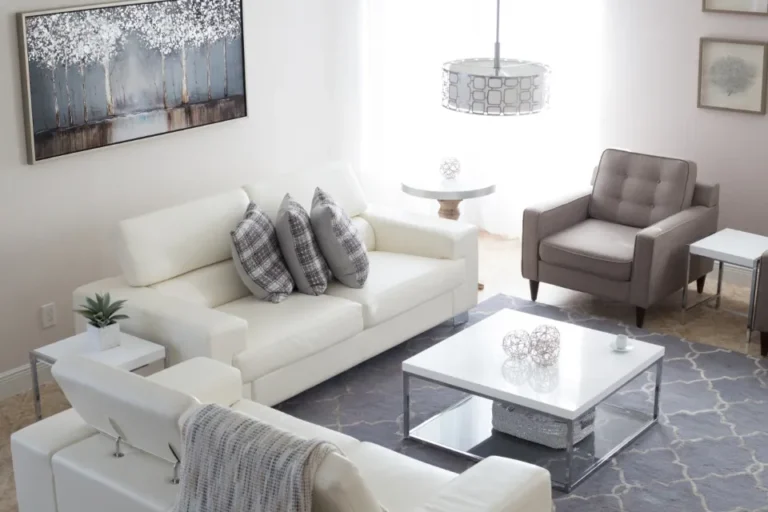
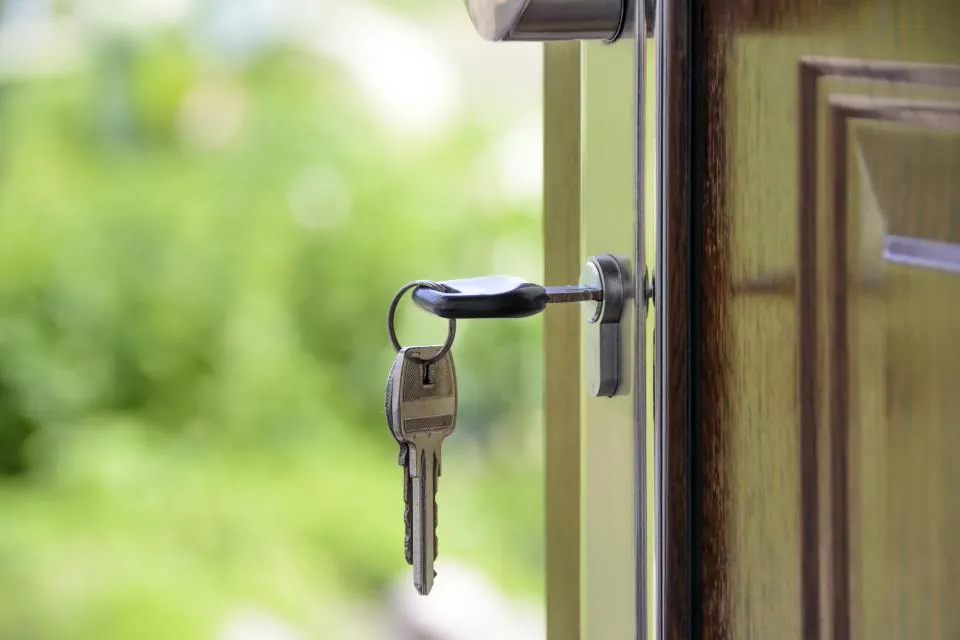
Review the closing documents carefully, confirm the final figures and arrange insurance. After closing, change the locks, test smoke alarms and create a maintenance calendar. When it is eventually time to sell, our home staging tips will help you get the best price.
Questions to ask your lender
Choosing a mortgage is as important as choosing the house. Ask each lender for the interest rate, the annual percentage rate including fees, the length of the rate guarantee, any penalties for paying early and the total cost over the life of the loan. Request a written estimate so you can compare offers side by side. A slightly lower rate with high fees may cost more than a simpler loan with fewer charges.
Hidden costs first-time buyers miss
- Closing costs: legal fees, valuation, taxes and lender fees.
- Moving costs: removal services, time off work and utility setup.
- Immediate repairs: issues found during inspection or after moving in.
- Furniture and appliances: a larger home often needs more of both.
- Ongoing maintenance: budget a percentage of the home’s value each year.
Planning for these from the start prevents the stress of being “house rich, cash poor.”
Building your home-buying team
A good team makes the process smoother. Most buyers work with a mortgage adviser or lender, a buyer’s agent, a home inspector and a solicitor or closing attorney, depending on local rules. Ask for recommendations, read reviews and check credentials. Clear communication with your team helps you meet deadlines and avoid surprises.
The home inspection explained
A professional inspection is one of the most valuable steps in buying a home. Inspectors examine the structure, roof, foundations, plumbing, electrical systems, heating and cooling, windows and signs of damp or pests. Attend the inspection if you can; it is a great opportunity to ask questions and learn how the home works.
When you receive the report, focus on safety issues and expensive repairs rather than minor cosmetic problems. Get quotes for significant repairs and use them to negotiate a lower price, request repairs before closing or, in serious cases, reconsider the purchase. Walking away from the wrong home is far cheaper than owning a money pit.
Your first year as a homeowner
Owning a home brings new responsibilities. Create a simple maintenance calendar: test smoke and carbon monoxide alarms, service heating and cooling systems, clean gutters and check for leaks seasonally. Keep receipts and records of improvements, which can be useful for insurance claims and future sales.
Continue building savings after you move in, because unexpected repairs are part of ownership. Review your insurance coverage annually and keep an eye on your mortgage rate; refinancing may make sense if rates fall significantly. With planning, your first home can become a stable foundation for your family’s financial future.
Frequently asked questions
How much deposit do I need for my first home?
Requirements vary by country and loan type. Larger deposits usually lower monthly payments and may unlock better rates.
How long does buying a home take?
From offer to keys, many purchases take one to three months, depending on financing and legal checks.
Should I buy the most expensive home I qualify for?
Not necessarily. Leave room in your budget for savings, repairs and life changes.
Take your time
A home is one of the biggest purchases you will make. Moving carefully reduces stress and regret. Explore more property guides in the Real Estate section of Domikyo.com.